

How to Create a Sacred Space for Spiritual Practice and Personal Growth
Have you ever noticed how differently you feel when you walk into a room that instantly puts you at ease? Maybe it's the quiet, the natural light, or simply the feeling that you can finally take a deep breath.
Creating a sacred space is much the same. It is less about decorating a room and more about intentionally creating an environment where you feel safe enough to slow down, listen inward, and reconnect with yourself.
In this month's blog, I'll share practical ways to create a space that supports meditation, reflection, intuitive practice, or simply a few moments of peace in your day.
We'll also explore why creating a safe, held container is such an important part of spiritual work, and how cultivating that same sense of safety within yourself can deepen your connection to your intuition and personal transformation.
What Is a Sacred Space?

When people hear the phrase "sacred space," they often imagine an elaborate meditation room filled with crystals, candles, and meaningful objects. While those elements can certainly add beauty, they are not what makes a space sacred.
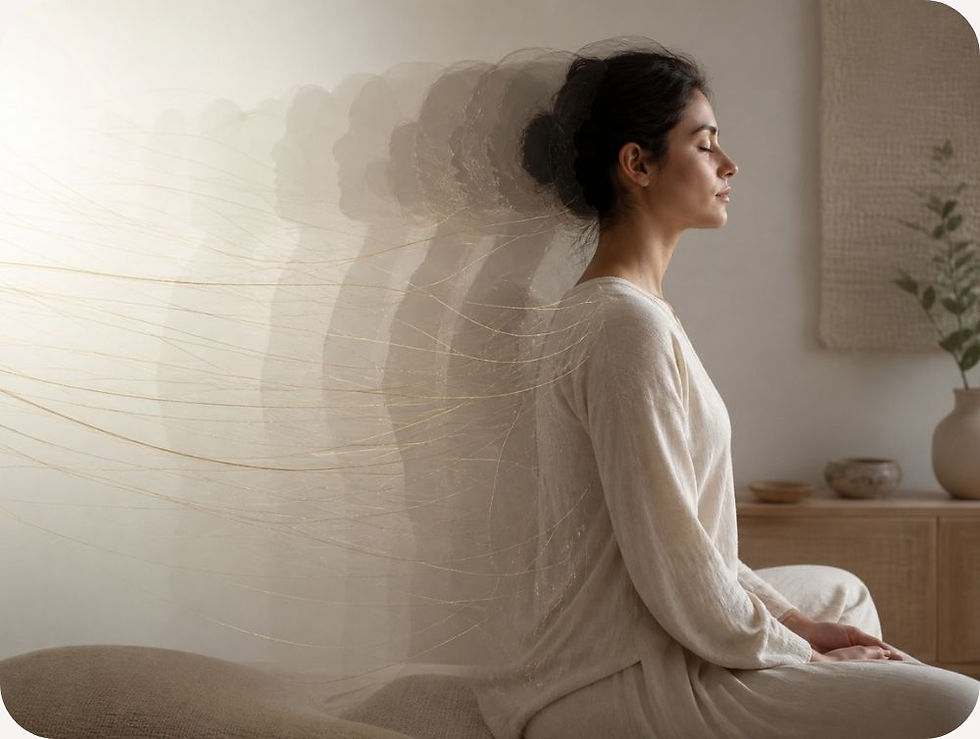
A sacred space is simply a place where you intentionally set aside the distractions of daily life so you can be present with yourself.
It might be an entire room.
It might be one chair by a window.
It might even be the same spot beneath your favorite tree each morning.
The space itself is only part of the experience. Your intention is what transforms an ordinary place into one that feels safe, grounded, and supportive.
Why Feeling Safe Matters

One of the reasons I place so much importance on creating a safe container during my sessions is because meaningful inner work rarely happens when we feel rushed, guarded, or overwhelmed.
When we feel safe, we naturally become more open.
Our breathing slows.
Our minds become quieter.
We begin noticing thoughts, emotions, and intuitive nudges that may have been overlooked during the busyness of everyday life.
This same principle applies at home.
By intentionally creating a peaceful environment, you're gently telling your mind and body, "It's okay to pause now."
"Sometimes the most powerful thing you can create isn't a beautiful room. It's a moment where you finally feel safe enough to simply be."
You Don't Need a Perfect Meditation Room

One of the biggest misconceptions about creating a sacred space is that it has to be Instagram worthy.
It doesn't.
In fact, some of the most meaningful spaces I've seen have been wonderfully simple.
Your sacred space might include:
A comfortable chair or cushion
A favorite blanket
A journal and pen
A meaningful stone or crystal
Fresh flowers or a small plant
A candle that signals it's time to become present
Choose objects that genuinely help you feel connected, not because someone else says they belong there.
Engaging the Senses

Our senses have an incredible ability to shape our experience.
Think about how quickly a familiar scent can bring back a memory or how certain music immediately changes your mood.
Creating sacred space often becomes easier when you intentionally engage more than one sense.
Soft lighting can invite calm.
Natural textures can encourage grounding.
Gentle sound can help quiet mental chatter.
You may even find yourself naturally developing small rituals that tell your body and mind, "We're entering a different kind of space now."
These simple cues create consistency, and over time, consistency becomes familiarity.
Let Nature Become Part of the Experience

Nature has always been one of my favorite teachers.
The changing seasons remind us that growth is rarely rushed. Trees don't compare themselves to one another. Rivers don't question whether they're flowing correctly.
They simply follow their nature.
Bringing natural elements into your sacred space can create a similar sense of steadiness. Plants, stones, wood, water, or simply opening a window to fresh air can gently remind us that we are part of something much larger than our daily to-do list.
Sometimes my own sacred space extends beyond the walls of my home.
Sometimes it begins beneath an oak tree.
Sacred Space Is Also an Inner Practice

While creating an external environment is helpful, the deepest sacred space is one you carry within yourself.
This is where practices like meditation, prayer, breathwork, journaling, or quiet reflection become so meaningful.
They are less about escaping life and more about returning to yourself.
This is also the foundation of my Chakra & Auric Field Alignment sessions. While I create a supportive environment for our work together, the true container comes from within you. Your higher self determines what is ready to come forward, while I simply help hold space for that process to unfold naturally.
The answers are never something I give you.
They are something we make room for together.
Simple Ways to Begin Today

If creating a sacred space feels overwhelming, start small.
Choose one simple practice that feels sustainable.
Perhaps you spend five quiet minutes each morning with your journal.
Or you light a candle before meditation.
Maybe you simply sit in silence before reaching for your phone.
Small moments practiced consistently often become the foundation for meaningful transformation.
There is no perfect way to begin.
There is only your way.
Creating Space for What Matters Most

Creating a sacred space isn't about adding more to your life.
It's about making room for what has been waiting beneath the surface all along.
When we intentionally create an environment that feels safe, grounded, and welcoming, we become more available to our own intuition, our own wisdom, and the quiet guidance that is always present.
If you're looking for support as you deepen your own spiritual practice, my sessions are designed to provide that same kind of safe, collaborative container. Together, we create the space for your higher self to guide what is ready to be explored, acknowledged, and integrated, always at your own pace.
Frequently Asked Questions
Do I need a separate room to create a sacred space?
Not at all. A sacred space can be as simple as a favorite chair, a corner of your bedroom, or a peaceful spot outdoors. Intention matters far more than size.
What should I include in a sacred space?
Choose items that help you feel calm and connected. Candles, journals, plants, meaningful keepsakes, or natural elements are all wonderful options, but there are no rules.
How often should I spend time in my sacred space?
Even five to ten minutes each day can help establish a meaningful routine. Consistency is more important than duration.
Can creating a sacred space improve my meditation practice?
Many people find that returning to the same peaceful environment helps them settle more quickly into meditation, prayer, journaling, or quiet reflection.
Is a sacred space connected to energy work?
Yes. Creating a safe, intentional environment often supports deeper awareness during spiritual practices, including Chakra & Auric Field Alignment and other intuitive energy sessions.


Comments